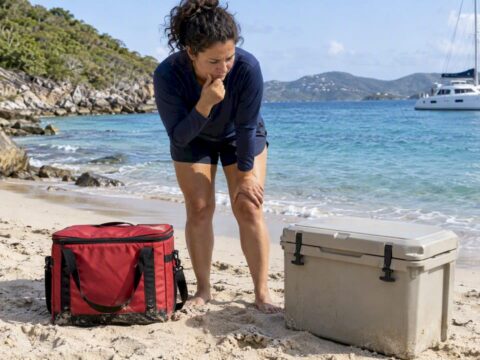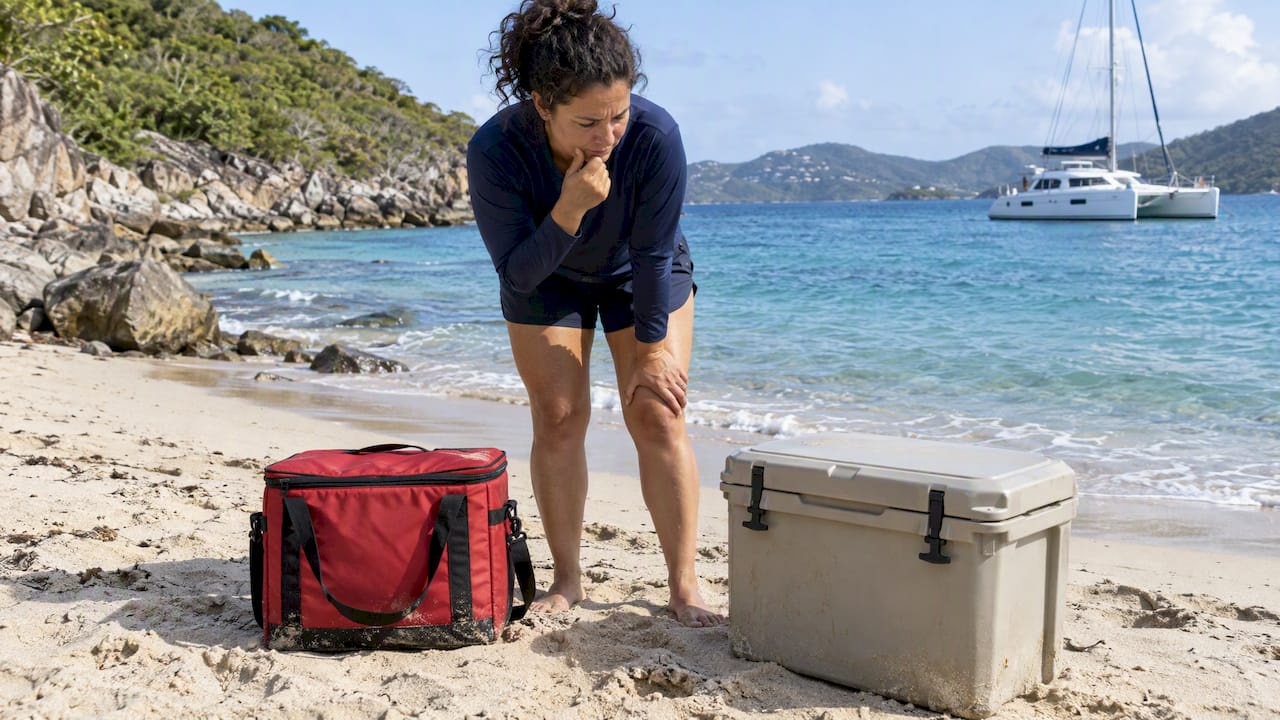

Choose a soft cooler for day trips, beach outings, or anywhere you carry gear more than a few feet, and choose a hard cooler for multi-day camping, boating, or feeding a group of six or more without a store nearby. The real decision rests on three axes: ice life, portability, and capacity. Packing technique, like pre-chilling and keeping the cooler full, changes real-world performance more than the shell material alone.
TL;DR:
- Hard coolers generally retain ice for two to seven days or longer, while soft coolers typically last a few hours to three days, depending on conditions.
- For trips lasting several days without nearby stores or large groups, a rotomolded hard cooler offers better durability and extended ice life.
- Soft coolers are ideal for short trips, hiking, or casual outings, especially when weight and storage flexibility are priorities.
- Proper packing techniques, such as pre-chilling and using frozen water bottles, significantly improve ice retention regardless of cooler type.
- Always check insulation quality, lid seal, and warranty coverage, as these factors strongly influence cooler durability and performance.
Table of Contents
- How do soft and hard coolers actually compare?
- When does a hard cooler make sense?
- When does a soft cooler make more sense?
- How do you pack a cooler to keep food safe?
- What should you check before buying a cooler?
- What does a real packing decision look like?
- What is the environmental footprint of each cooler type?
- How do cooler brands compare on warranty and reputation?
- What’s the biggest mistake buyers make?
- Is there an alternative to hauling a cooler at all?
- FAQ
- Sources
How do soft and hard coolers actually compare?
The numbers tell most of the story. Ice retention in soft coolers typically runs from a few hours up to about three days, while rotomolded hard coolers can hold ice for two to seven days or longer, according to independent lab testing. Ambient temperature, how full the cooler is, and how often the lid opens all shift those numbers significantly in either direction.
Weight tells the rest. A soft cooler built to hold about 30 cans typically weighs in the lower single-digit pounds empty, while a comparable 45-quart hard cooler generally weighs well above that, often tipping the scales by a significant margin, according to Arctic Zone’s category comparison. That weight gap is the main reason the two types exist side by side instead of one replacing the other.
- Soft coolers collapse flat for storage; hard coolers keep their shape and take up a fixed footprint year-round.
- Budget soft coolers start under $50, while premium rotomolded hard coolers often run $200 to $500.
- Capacity in hard coolers scales up more efficiently per pound carried, which matters for groups and long trips.
When does a hard cooler make sense?
A hard cooler earns its weight when you are gone multiple days without access to fresh ice, feeding six or more people, or hauling a raw catch that needs to stay cold during transport. These are the scenarios where ice life and sheer volume outweigh portability.
Durability features separate a cooler that lasts a season from one that lasts a decade:
- A rotomolded shell resists cracking and impact better than injection-molded plastic.
- A gasketed lid seals out warm air and keeps cold air from escaping during lid openings.
- Reinforced latches hold the seal tight even when the cooler is overpacked or jostled in a truck bed.
For anyone camping or fishing more than a handful of weekends a year, a $300 rotomolded cooler that lasts ten years often costs less per year than replacing a cheaper model every two or three seasons.
Pro Tip: Check for a lid gasket you can see and feel, not just a tight-fitting lid, since that seal does most of the work in multi-day ice retention.
When does a soft cooler make more sense?
If you are walking more than 100 feet from the car, making multiple stops, or hiking to a spot, a soft cooler, especially a backpack style, beats a hard cooler on every practical measure except raw ice life. The weight difference alone can be the difference between a comfortable outing and a sore shoulder.
- Backpack soft coolers fit day hikes, bike rides, and kayak trips where both hands need to stay free.
- Sling and tote styles suit short beach walks or picnics where you set up once and stay put.
- Box-style soft coolers with rigid bottoms work well for car camping where some structure helps, but full rigidity is not needed.
Soft coolers also cost less and store flat in a closet or trunk. The tradeoff is durability: zippers and seams wear out faster than a hard shell, so rinsing salt and sand off after each trip and avoiding overstuffing the main compartment extends their life considerably.
How do you pack a cooler to keep food safe?
Food safety rules apply regardless of which cooler you buy. Perishable food needs to stay at 40°F or below, and anything left out of that range for more than two hours, or more than one hour above 90°F, should be thrown out according to USDA/FSIS guidance. That two-hour window shrinks fast on a hot afternoon, so packing technique matters as much as the cooler itself.
- Pre-chill the cooler itself for a few hours before loading it, and chill food and drinks in the refrigerator first.
- Pack frozen water bottles or ice packs to fill empty gaps rather than relying on loose ice alone.
- Keep raw meat sealed and separated from ready-to-eat food, ideally in its own bag at the bottom.
- Use a small appliance thermometer inside the cooler to confirm it stays at or below 40°F.
A full cooler holds cold noticeably longer than a half-empty one, and USDA’s own packing guidance notes that frozen water bottles do double duty as ice packs and drinking water later in the day. Keep the cooler in shade, open the lid as little as possible, and consider a second, drink-only cooler so the food cooler stays sealed.
What should you check before buying a cooler?
A spec sheet tells you more than a glossy ice-life claim. Compare insulation type, lid seal quality, drain design, and how handles or wheels hold up under a full load before looking at price.
- Insulation type and thickness, since thicker rotomolded walls generally outperform thin injection-molded ones.
- A visible, replaceable lid gasket rather than a seal molded into the lid itself.
- Drain plug placement and size, since a wide, threaded drain speeds cleanup.
- Handle and wheel durability under a genuinely full load, not just an empty display model.
- Warranty length and what it actually covers.
Treat vague ice-life claims with suspicion if there is no test context behind them. Independent ice-melt testing is a far more reliable comparison point than a number printed on a box. Watch for thin-wall construction marketed as “rugged” and liners that cannot be replaced once they tear.
Pro Tip: Ask any retailer whether an ice-retention claim comes from a standardized test or from marketing copy alone before trusting it.
What does a real packing decision look like?
Matching gear to the trip is easier with a concrete example in front of you.
- Beach day: A mid-size soft cooler with frozen water bottles and a bag of ice holds drinks and sandwiches cold for 6 to 8 hours, plenty for a single outing, and packs flat in the car afterward, making it perfect for the best boat day snacks on the water no-mess ideas that actually work.
- Overnight or weekend camping: A rotomolded hard cooler, pre-chilled and packed full with a mix of block and loose ice, keeps raw food safe for two to three days without a resupply, which matters when the nearest store is an hour away.
- Tailgate or party: A large hard cooler loaded with food plus a separate soft cooler dedicated to drinks lets guests grab a cold one without opening the food cooler every few minutes, preserving ice life for everyone.
What is the environmental footprint of each cooler type?
Hard coolers are usually made of high-density polyethylene that lasts a decade or more with basic care, which spreads their manufacturing footprint over many years of use. A cooler that gets replaced every season because it cracked or the liner tore generates more waste over time than one built to last.
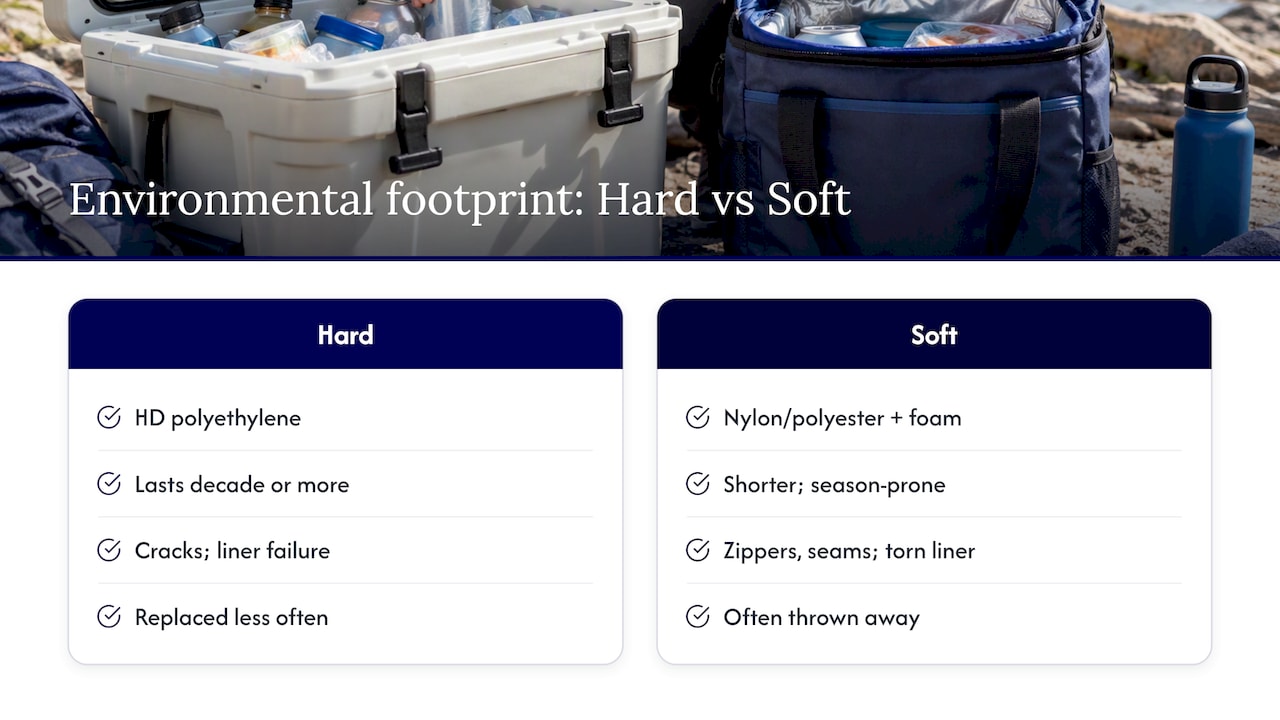
Soft coolers tend to use nylon or polyester shells with foam or foil-laminate insulation. They are lighter to ship and produce, but zippers and seams are the first parts to fail, and a cooler with a torn liner usually ends up in the trash rather than being repaired.
Either type lasts longer with simple habits: rinsing out salt water and sand, drying fully before storage, and avoiding sharp objects near soft cooler fabric. Reusable ice packs and frozen water bottles also cut down on single-use ice bags, which is a small but real reduction in plastic waste over a season of trips.
How do cooler brands compare on warranty and reputation?
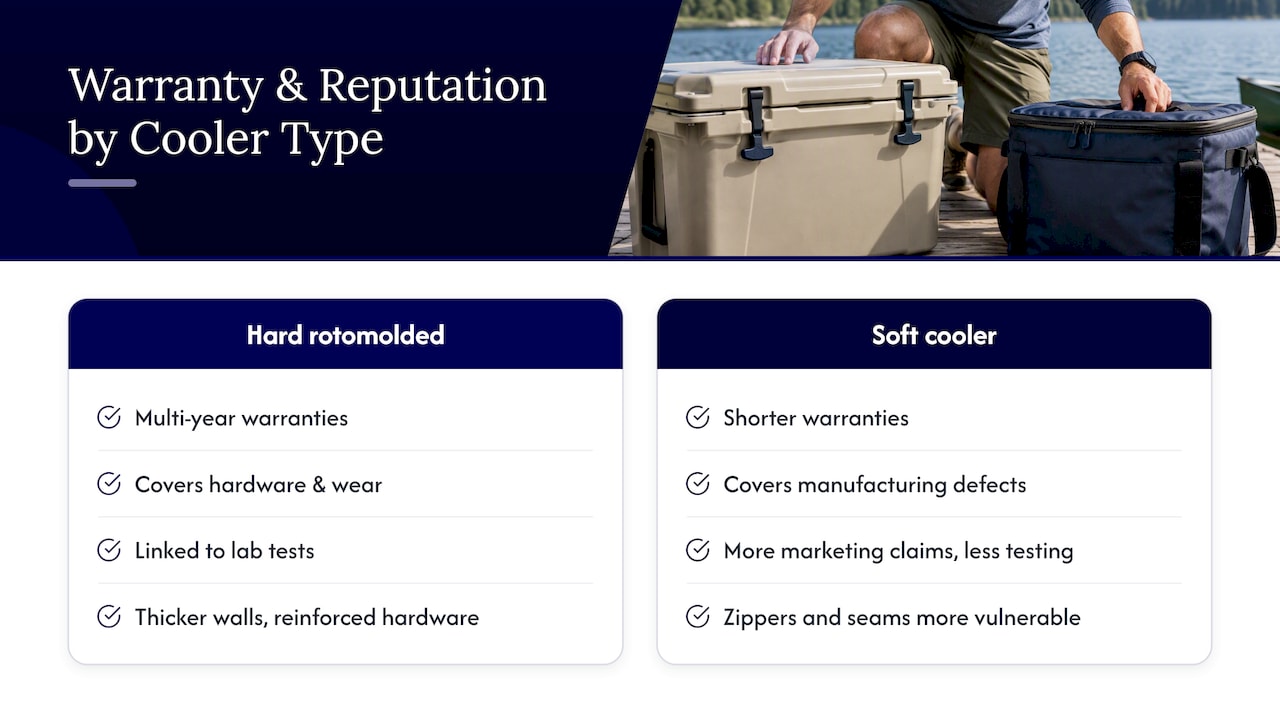
Warranty length is one of the clearest signals of how a brand expects its product to hold up. Premium rotomolded hard coolers commonly carry multi-year warranties, reflecting the thicker walls and reinforced hardware built into them, while many soft coolers carry shorter coverage focused on manufacturing defects rather than wear from zippers or seams.
Reputation in this category tracks closely with independent testing rather than marketing claims. Models that consistently show up near the top of lab-tested ice-retention rankings tend to carry the longer warranties too, since manufacturers confident in their construction back it accordingly. When comparing brands, check what the warranty actually covers: a lid gasket and latch failure covered for five years means more than a vague “lifetime” claim with no listed exclusions.
What’s the biggest mistake buyers make?
Most people buy based on brand name or a flashy ice-life number instead of matching the cooler to how they actually travel. A $400 rotomolded cooler is wasted weight on a beach walk, and a $40 soft cooler will fail you on a four-day trip with no resupply. Keep zippers and drains clean and dry between trips, and the cooler you already own will likely outlast the next upgrade you’re tempted to buy.
— alexia
Is there an alternative to hauling a cooler at all?
If your multi-day trip happens to be on the water, a crewed or bareboat charter removes the cooler question entirely. Provisioning can be arranged ahead of time, and some yachts may include an onboard ice maker, so there is no ice run, no drain plug to check, and no packing a cooler full before dawn.
- Browse yachts with an ice maker if onboard cold storage matters to your trip plan.
- Review bareboat charter pricing to see weekly rates across our catamaran fleet.
- Read our packing guide for a BVI charter for what to bring beyond coolers and ice.
We are not a cooler brand, and a charter is a different kind of trip than a weekend campout. But for a multi-day stay in the British Virgin Islands or wider Caribbean, a family-run operation can handle provisioning and cold storage so you can skip the gear calculations above and get straight to the water.
FAQ
What type of cooler is best overall?
There is no single best cooler type, only the right one for your trip. Arctic Zone’s comparison frames it as matching the cooler to the activity: soft for short, portable outings and hard for multi-day trips needing long ice retention.
How do you choose a soft-sided cooler?
Match the style to your activity: a backpack cooler for hikes and bike rides, a tote or sling for a beach day, and a box style for car camping. Prioritize a model with sturdy zippers and a thick insulated liner, since those wear out before the outer fabric does.
What is the best hard cooler for multi-day trips?
Look for a rotomolded shell, a gasketed lid, and reinforced latches, since these features are what let hard coolers hold ice for two to seven days or more under good packing conditions. Independent ice-melt test results are a more reliable guide than a manufacturer’s printed hours.
How long does ice actually last in a cooler?
Ice life depends heavily on fill level, ambient temperature, and how often the lid opens, not just the cooler type. Soft coolers commonly hold ice for a few hours up to about three days, while well-built hard coolers can reach two to seven days or longer under favorable conditions.
Sources
- Danger zone: 40°F to 140°F — USDA/FSIS
- The best coolers of 2026 | Lab tested & ranked — OutdoorGearLab
- Hard coolers vs soft coolers — Arctic Zone blog
- Chill: How to pack a cooler to prevent food poisoning — USDA blog
Recommended
- What to Pack for a BVI Charter
- BVI Bareboat Provisioning: What to Order for 7 Nights
- Yachts with Ice Maker | BVI & Caribbean Charters
- Bareboat Charters with Ice Maker | BVI & Caribbean
Did You Know?
The BVI are only accessible by boat. Check out our charter yachts that can get you there. View Our Fleet