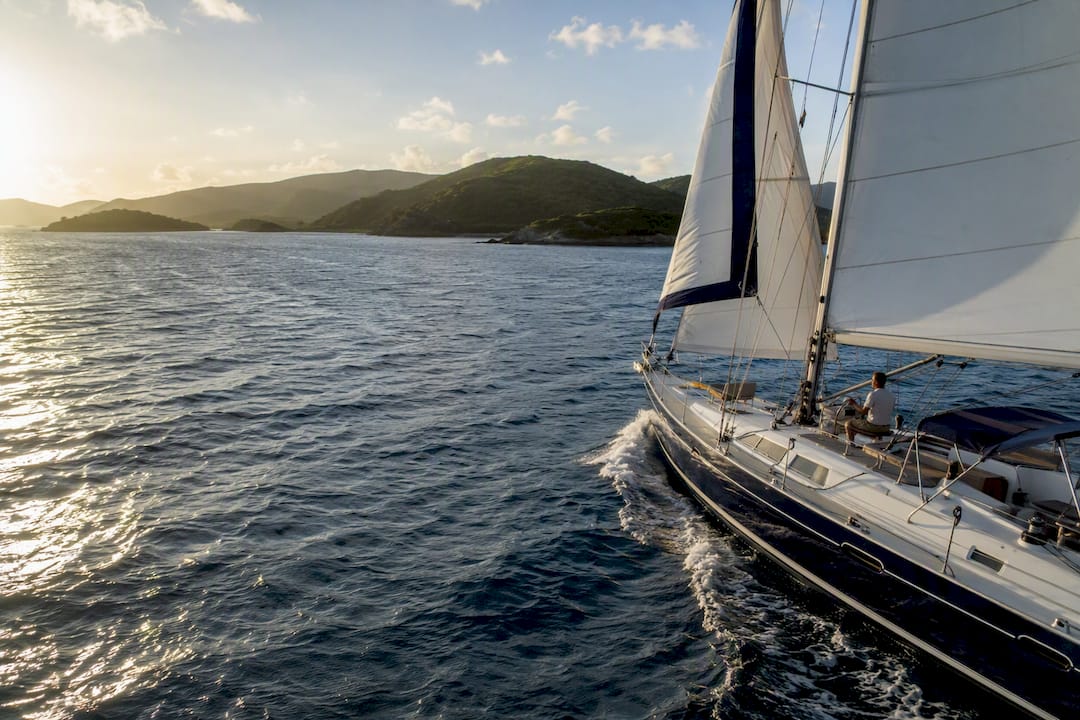

The best overall window for a British Virgin Islands trip is December through April, when dry conditions and steady trade winds make for the most predictable sailing. The tradeoff is timing: May through November runs wetter and overlaps Atlantic hurricane season, with the sharpest risk typically between late summer and early fall.
- Jan–Mar: Driest, coolest, clearest skies
- Apr–Jun: Warming up, still mostly dry
- Jul– early Aug: Hot, humid, hurricane season begins
- Mid Aug–Oct: Wettest, highest storm risk
- Nov–Dec: Drying out, winds returning
If you’re booking anything in the hurricane months, buy flexible airfare and travel insurance that covers weather cancellations. It’s cheap protection against an expensive problem.
Key Takeaways
The most reliable BVI travel window is December through April, while May through November carries wetter conditions and hurricane risk that peaks in August through October.
| Point | Details |
|---|---|
| Best overall window | December through April offers steady 15 to 20 knot trade winds and the lowest rainfall of the year. |
| Driest month | March averages around 0.3 inches of rainfall, making it the clearest sailing month. |
| Wettest, riskiest months | September and October combine the highest rainfall with peak Atlantic hurricane risk. |
| Shoulder-month value | May, June, July and November balance lower prices with mostly acceptable weather. |
| Book early with local experts | Virgin Charter Yachts recommends securing December through July charters months ahead through direct planning support. |
Table of Contents
- BVI Weather by Month: The Big Picture
- What Is BVI Weather Like Month by Month?
- When Is the Best Time to Visit the BVI?
- What Should You Pack for BVI Weather?
- How Do Sea Conditions Change by Month?
- How Should You Plan for Hurricane Season?
- What Local Charter Experience Teaches About BVI Weather
- What Actually Determines a Good BVI Trip
- Let Local Charter Expertise Handle Your BVI Timing
- Where This Weather Data Comes From
- Sources
BVI Weather by Month: The Big Picture
Daytime temperatures in the British Virgin Islands stay in a fairly narrow band all year, typically staying within a warm tropical range, and the trade winds do the real work of keeping that heat comfortable rather than oppressive. That’s the single biggest thing separating BVI heat from, say, a humid mainland summer with no air movement.
The islands run on two main seasons, not four. The driest season stretches December to April, and the wetter season covers May to November, and hurricane season sits inside that wet stretch, running officially June 1 through November 30. While they are considered to be the wetter season, May through July might see rain, it is usually not all day. Many days you could have a shower in the morning or afternoon and then it is sunny the rest of the day. Sea temperatures barely move by comparison, holding roughly between 79°F and 84°F year round.
- Air temps: 77°F to 89°F, moderated by consistent trade winds
- Dry season (Dec–Apr): low rainfall, reliable wind, best sailing
- Wet season (May–Nov): more rain, higher humidity, hurricane overlap
- Sea temps: 79°F cooler window (winter/spring) versus 83°F–84°F warmer window (late summer/fall)
Anything above 83°F starts to feel more like bathwater than a refreshing swim, which matters if you’re planning long snorkeling sessions. These averages come from historical climate datasets tracked over multiple decades, not a single season’s readings.
What Is BVI Weather Like Month by Month?
Here’s how the calendar actually plays out, month by month, with the numbers that matter for packing and planning.
January. Highs around 84°F, lows near 74°F, one of the coolest months of the year. Rainfall is light, seas sit near the cool end around 79°F. Trade winds are strong and steady. Good for sailing and layering a light jacket for evenings.
February. Similar to January, arguably the driest stretch alongside March. Highs near 84°F, lows around 74°F. This is peak season for a reason: clear skies, brisk wind, low humidity. Excellent for both novice and experienced sailors.
March. The driest month on record, with average rainfall around just 0.3 inches. Highs climb slightly to around 85°F. Sea temps still on the cooler side. This is arguably the single best month for consistently sunny days.
April. Warming up, highs near 86°F, still low rainfall. Trade winds remain reliable at 15 to 20 knots. Last full month of the dry season and a smart pick if you want dry-season weather without the peak-season crowds.
May. A shoulder month. Highs around 87°F, rain picks up slightly but showers tend to be short. Sea temps start climbing toward the warmer end. Good value on charters, still solid sailing conditions.
June. Hurricane season technically begins June 1, though actual storm activity in the BVI stays low this early. Highs near 88°F, humidity rising. Winds soften slightly to the 10 to 15 knot range. Good for divers since visibility is often still strong.
July. Hot and increasingly humid, highs around 89°F. Rainfall increases, mostly as brief afternoon showers rather than all-day rain. Sea temps reach the warm window near 83°F, comfortable for extended swims.
August. Frequently the warmest month of the year, with highs touching 89°F. Rainfall and humidity both climb. This is where hurricane risk starts becoming a real planning factor rather than a footnote.
September. One of the wettest months, averaging close to 2.8 inches of rainfall. Peak hurricane risk window. Anchorages are quiet, prices are low, but this is not the month for a first-time charterer without flexibility built into their plans.
October. Rivals September for wet-day frequency and storm risk. Highs still warm around 87°F. Some charter operators scale back operations this month, so confirm availability directly before booking.
November. Risk starts tapering as hurricane season winds down. Highs around 85°F, rainfall easing. A genuine shoulder-month opportunity: fewer crowds, decent odds of good weather, and prices still below peak season.
December. Dry season returns in earnest. Highs near 84°F, rainfall drops, trade winds pick back up. Holiday crowds arrive fast, so this is a month to book early rather than assume availability.
When Is the Best Time to Visit the BVI?
December through April is peak season, and the reasons are straightforward: steady 15 to 20 knot trade winds, minimal rainfall, and a calendar full of regattas and holiday charters. It’s the most reliable stretch for sailing conditions, which is exactly why it’s also the most expensive and the most booked.
May, June, July and November are the shoulder months worth serious consideration. You’ll pay less, see fewer boats in popular anchorages, and still get mostly cooperative weather. The tradeoff is a higher chance of short tropical showers and slightly thicker humidity.
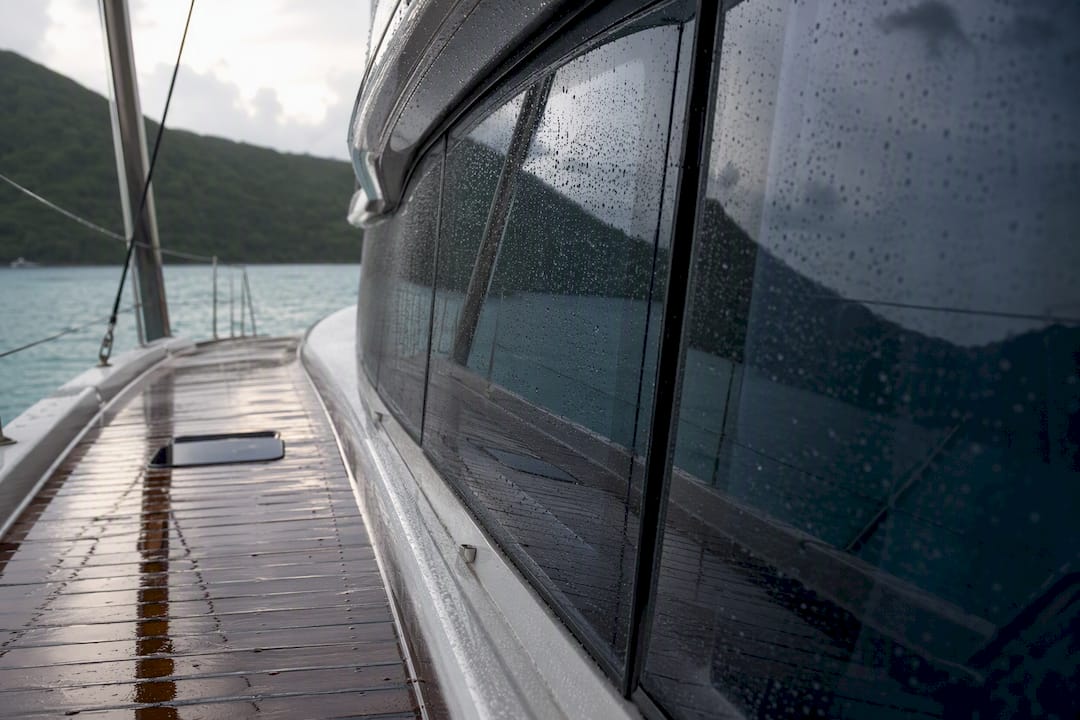
August through early October is genuinely off-season. Anchorages empty out and rates drop hard, but you’re trading that savings for real hurricane exposure and possible reduced services from charter operators.
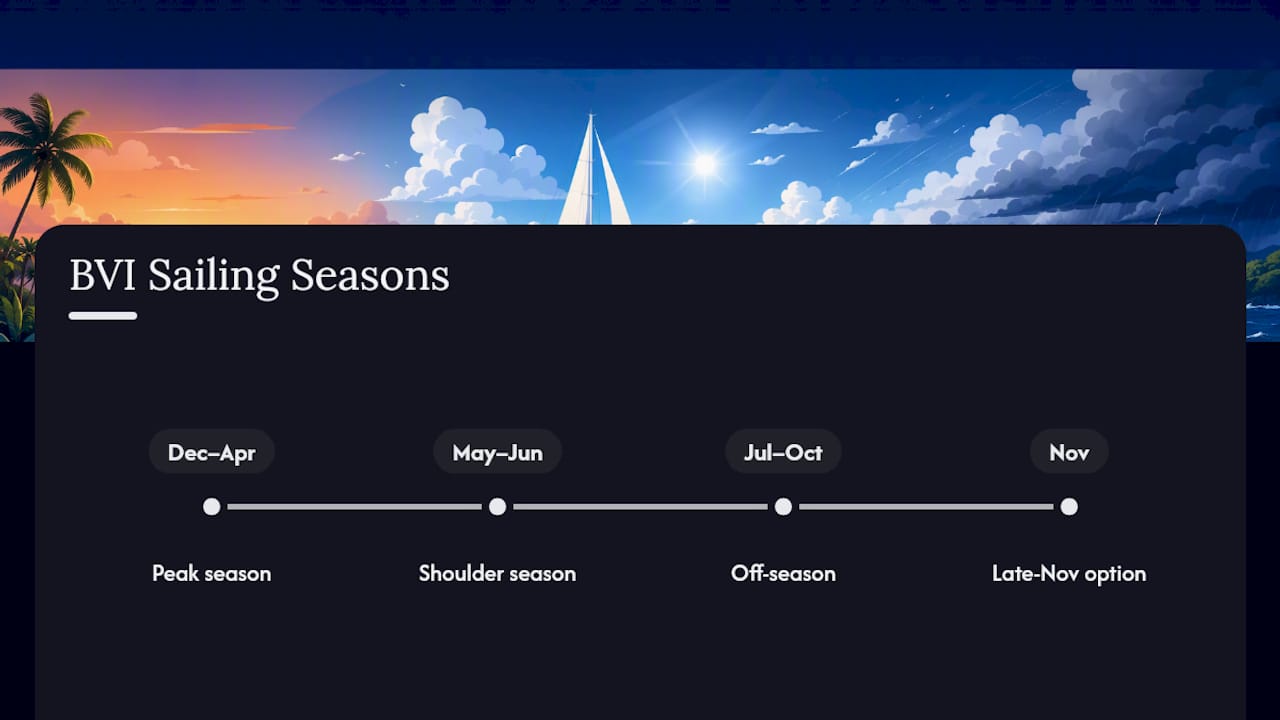
Pro Tip: If your dates are flexible, aim for late November. You often get dry-season-quality wind without dry-season-level pricing or crowds.
What Should You Pack for BVI Weather?
Pack light, breathable layers no matter the month, but adjust for the season you land in.
- Reef-safe sunscreen (required in many BVI marine areas)
- Lightweight rain shell for wet-season trips (May–Nov)
- Motion-sickness medication if you’re new to sailing
- A light jacket or long sleeves for cooler winter evenings
- Wide-brim hat and polarized sunglasses for glare off the water
Book charters and moorings early for the December through April window since demand outpaces supply fast. If you’re traveling during hurricane months, buy fully flexible airfare and confirm your travel insurance covers named storms.
Pro Tip: Hydration matters more than people expect on a boat. Trade winds mask how much you’re sweating, so drink water on a schedule, not just when you feel thirsty.
How Do Sea Conditions Change by Month?
Water temperature swings modestly, from a cooler 79°F window in winter and spring to a warmer 83°F to 84°F stretch from midsummer into fall. Neither extreme is uncomfortable, but the warmer months feel noticeably more like a warm bath than a refreshing swim.
- Dry season winds: 15 to 20 knots, ideal for confident sailors and steady passages
- Shoulder/wet season winds: 10 to 15 knots, gentler and more forgiving for beginners
- Best snorkeling visibility: typically after dry months, before heavy rain stirs sediment
Visibility tends to drop after heavy rain events, since runoff clouds nearshore water for a day or two. Plan snorkel-heavy days around dry stretches when you can.
How Should You Plan for Hurricane Season?
Atlantic hurricane season runs officially June 1 through November 30, with peak risk concentrated in August, September, and October, which lines up almost exactly with the BVI’s wettest months.
- Book fully flexible flights and lodging if traveling in this window.
- Buy travel insurance that explicitly covers named storms and trip interruption.
- Confirm your charter operator’s storm policy and contingency plan before you pay a deposit.
- Monitor official forecasts through Travel and NOAA in the weeks before departure.
Pro Tip: Many charter companies quietly scale back their fleets or staffing between September and October. Ask directly rather than assuming full service.
What Local Charter Experience Teaches About BVI Weather
After three decades based on Tortola, the clearest lesson is this: book the December through April window as early as you can, sometimes six months out, because the best boats and preferred moorings disappear fast once regatta season and the holidays hit.
Anchorage choice should follow wind direction, not just scenery. Favor east-facing bays when trades are strong, and confirm provisioning and customs paperwork lead times ahead of arrival, especially in shoulder months when schedules loosen up but timelines can still shift last minute.
Weather windows in the BVI are forgiving if you plan around them, and unforgiving if you don’t. The data tells you when to go. Local knowledge tells you how to use that window once you’re there.
What Actually Determines a Good BVI Trip
The single biggest lever in a BVI trip’s success isn’t the boat you pick. It’s the month.
I’d push back on the common advice that treats “avoid hurricane season” as the whole strategy. That’s half the picture. The more useful frame is matching your risk tolerance to the calendar: if you can’t absorb a canceled trip financially or emotionally, stay in the December to April lane and book early. If you’re comfortable with uncertainty and want a quieter, cheaper BVI, the shoulder months of May, June, July and November deliver most of the good weather at a fraction of the crowd and cost. What’s underrated is how often people over correct into November or December bookings without checking that moorings and preferred boats are still available by the time they call. The weather data is only half the plan. The other half is logistics, and that part rewards moving early, not moving cautious.
Let Local Charter Expertise Handle Your BVI Timing
Virgin Charter Yachts has spent three decades on Tortola watching these seasonal patterns play out in real bookings, not just spreadsheets, which means the advice on when to sail comes from lived local experience rather than a generic calendar.
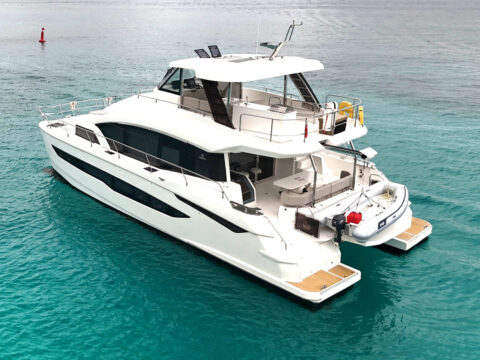
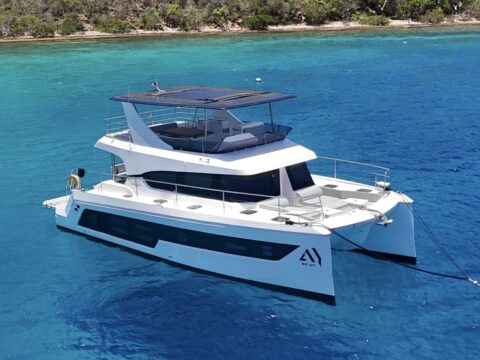
Planning around a specific month gets easier with someone who already knows which anchorages hold up in a December blow or which moorings fill first for a March regatta. Virgin Charter Yachts offers personalized charter planning, from matching you with the right catamaran from brands like Fountaine Pajot, Leopard, Aventura, and Lagoon to on-call local support once you’re on the water. If you want detailed packing help before your trip, the yacht vacation checklist guide is a solid companion resource. Ready to lock in your dates? Check available charter dates and get a tailored recommendation based on the month you’re eyeing.
Where This Weather Data Comes From
The monthly averages, rainfall patterns, and sea-temperature figures throughout this guide draw from WeatherSpark’s historical climate data and Timeanddate’s Road Town climate records. Sailing-season guidance comes from Click&Boat’s BVI charter advice. For real-time forecasts, check Weather, and confirm current travel conditions through the U.S. Department of State’s travel advisories before departure.
Sources
- Average Weather in British Virgin Islands Year Round - WeatherSpark
- When is the Best Time to Sail in the BVI? - Click&Boat Blog
- Climate & Weather Averages in Road Town - Timeanddate
Did You Know?
The BVI are only accessible by boat. Check out our charter yachts that can get you there. View Our Fleet