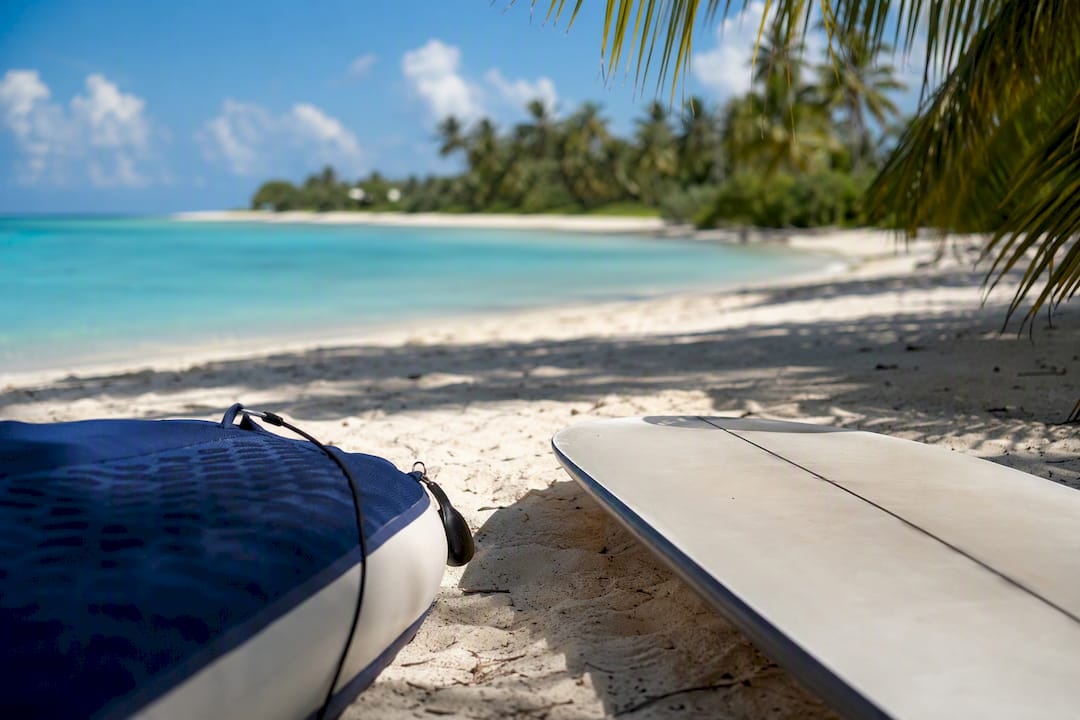

For most recreational paddlers and travelers, a quality inflatable SUP is the smarter buy. Hard boards still win where raw performance matters most: racing lines and serious wave riding.
- Choose inflatable if you’re paddling lakes, bays, or calm rivers, flying to your destination, or storing gear in a condo or apartment with no garage.
- Choose hard if you race competitively, surf real waves, or paddle long touring routes where every ounce of glide counts.
Convenience tips the scale toward inflatable SUP vs hard board decisions for the average buyer. Performance still tips it toward rigid boards for the specialist.
Key Takeaways
Most recreational and travel-minded paddlers get more real-world value from a premium inflatable SUP, while competitive racers and serious surfers still need the glide and responsiveness only a hard board delivers.
| Point | Details |
|---|---|
| Performance gap is small | Premium inflatables run 85 to 95 percent as stiff as hard boards, a 5 to 15 percent speed difference most casual paddlers won’t notice. |
| Travel decides the winner | Inflatables pack into checked luggage or a trunk; hard boards need roof racks or freight shipping. |
| Hard boards still lead in surf and racing | Sharper rail lines and rigid hulls give hard boards the edge for wave riding and competitive speed. |
| Repair costs favor inflatables | Punctures patch for under $20 in the field, while hard-board delamination often needs a paid shop repair. |
| Lifespan favors hard boards | Inflatables typically last 5 to 10 years; a well-kept hard board can last 20 years or more. |
Table of Contents
- Inflatable SUP vs Hard Board: The Core Trade-offs
- How Well Does Each Board Travel?
- Does a Hard Board Really Glide Faster?
- Which Board Type Handles Waves Better?
- Are Inflatable Boards Stable Enough for Beginners?
- What Kind of Damage Should You Expect Over Time?
- How Much Time Does Setup and Storage Actually Take?
- What Does Each Board Type Actually Cost?
- Is a Hard Board or Inflatable Easier to Carry?
- What Maintenance Does Each Board Actually Need?
- How Do You Keep an Inflatable SUP Properly Pressurized?
- Which Board Is Better for the Environment?
- What Most Paddlers Get Wrong About This Decision
- Sources
Inflatable SUP vs Hard Board: The Core Trade-offs
Every buying decision here comes down to six axes, and no board wins all six. Here’s how they actually stack up.
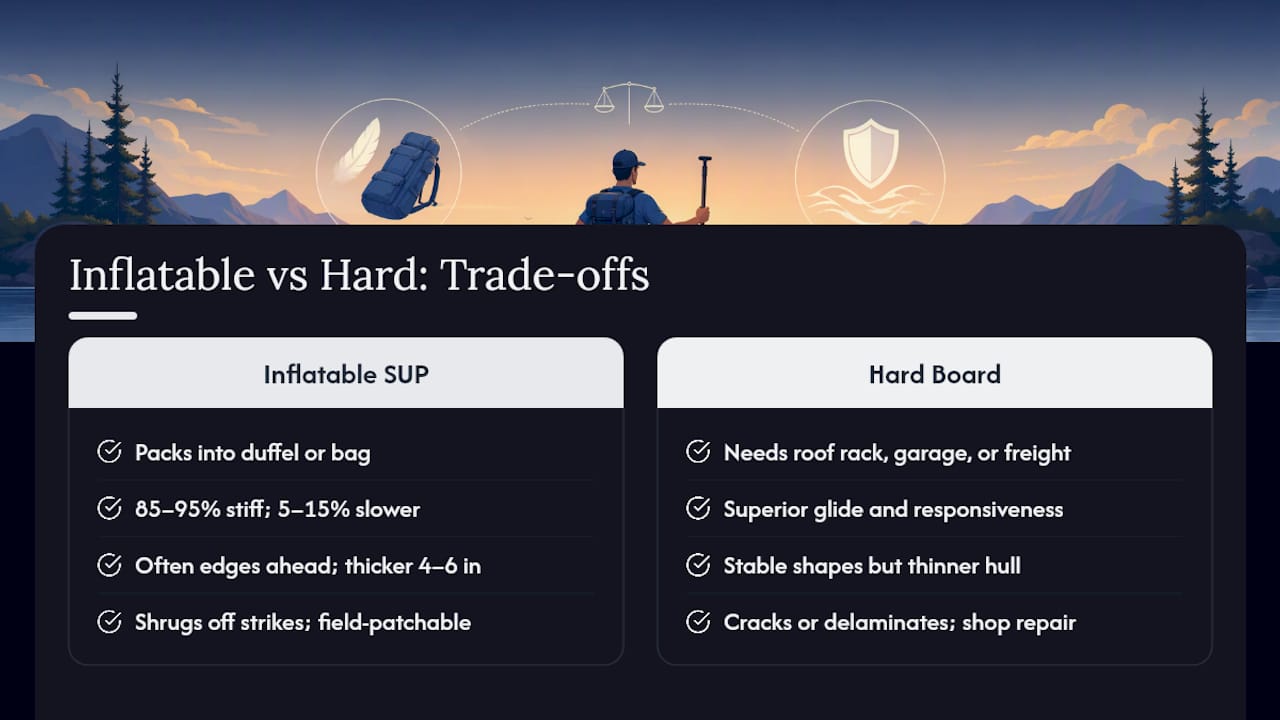
Portability and storage. Inflatables pack into a duffel or wheeled bag small enough for a closet, a sedan trunk, or checked airline luggage. Hard boards need a roof rack, a garage, or freight shipping if you’re traveling any real distance.
On-water performance. This is the one place hard boards still lead outright. REI’s buying guide notes hard boards deliver superior glide and responsiveness, which is why they remain standard for racing and serious surf.
Stability. Both formats offer wide, stable shapes built for beginners, yoga, and family paddling. Inflatables often edge ahead here because their thickness (typically 4 to 6 inches) adds buoyancy that a thinner hard board hull doesn’t match.
Durability and repair. Inflatables shrug off rock strikes and crowded launch dings that would crack or delaminate a hard board, and a puncture patches in the field. Hard-board structural damage usually means a shop repair.
Setup time. Hard boards win the moment you’re on the water: grab it and go. Inflatables need 8 to 12 minutes of pumping first.
Price and value. Inflatables typically bundle a board, pump, paddle, leash, and bag in one price, while hard boards are usually sold board-only, pushing up the real acquisition cost.
Pro Tip: Rank your own priorities before you shop. If “gets used often” beats “goes fastest,” the inflatable wins your list before you even compare specs.
Research and expert testing put premium inflatables at roughly 85 to 95 percent as stiff as an equivalent hard board, with a 5 to 15 percent speed gap showing up mainly in race conditions. For a Sunday paddle, that gap is nearly invisible. Portability, stability, and repairability go to inflatables; top-end speed and responsiveness go to hard boards.
How Well Does Each Board Travel?
This is where the inflatable vs rigid SUP debate gets personal for anyone who doesn’t own a truck or a dedicated garage. A hard board is 10 to 12 feet of fiberglass that needs roof racks, padded straps, and a vehicle tall enough to clear a garage door. Flying with one means a bike box, a shipping crate, or leaving it home.
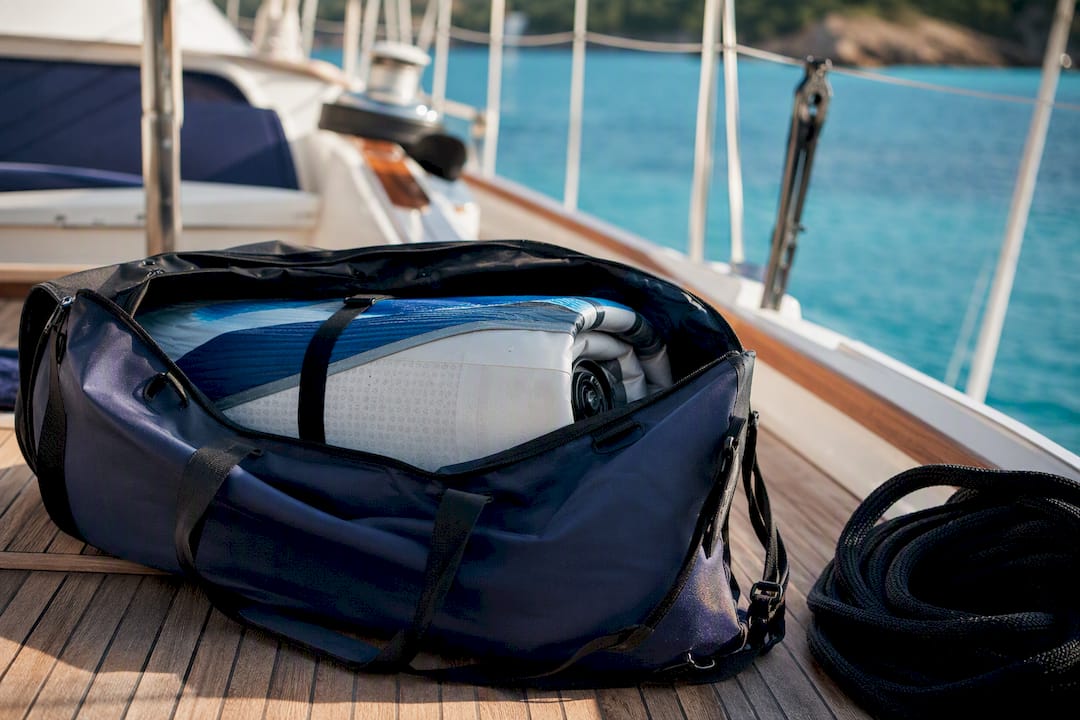
An inflatable SUP rolls into a backpack roughly the size of a large duffel bag. It fits in a closet, a sedan trunk, an RV storage bay, or a plane’s checked luggage, which is why so many road-tripping and flying paddlers default to inflatable models. If you’re the kind of paddler who throws a board in the car for a weekend trip or checks it as luggage for a beach vacation, the inflatable removes the single biggest logistical headache in the sport.
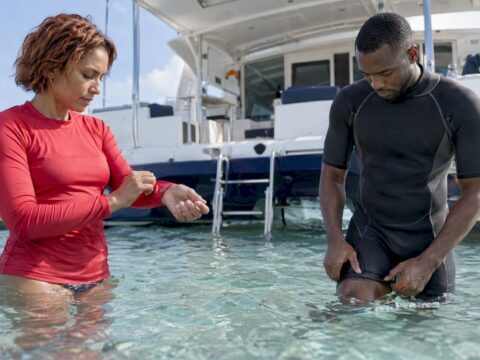
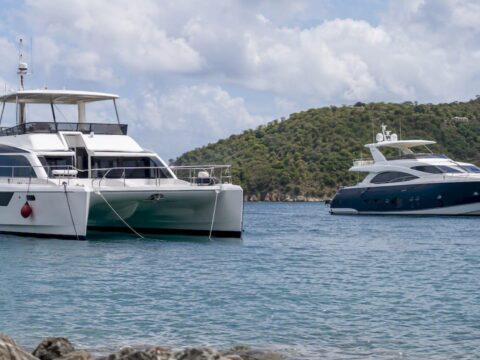
There’s a real-world echo of this on the water, too. Charter guests aboard a catamaran in the British Virgin Islands almost always get inflatable boards for exactly this reason: a crewed or bareboat yacht has finite locker space, and a board that deflates and stows in a duffel beats one that eats up deck real estate for a week. If you’re weighing board types for your own trip planning, the same portability math that makes inflatables the right call for apartment dwellers makes them the right call for anyone packing for a charter.
Does a Hard Board Really Glide Faster?
Yes, and the gap is measurable, not imaginary. Hard boards cut through flat water with less drag because their hulls hold a fixed, precisely shaped displacement or planing profile. Inflatables flex slightly under paddle stroke and body weight, which bleeds a small amount of forward energy.
The size of that gap depends heavily on construction. Independent testing and expert review estimate premium inflatables perform at 85 to 95 percent of hard-board stiffness, translating to a 5 to 15 percent speed difference in race-pace conditions. That’s a real difference over a 10-mile touring route or a competitive sprint. It’s a difference most casual paddlers on a two-mile lake loop will never notice or care about.
Construction terminology matters more than most first-time buyers realize. Boards built with woven or fusion drop-stitch material and welded rail seams hold air pressure more rigidly than older single-layer, glued-rail inflatables, closing much of that performance gap. If glide speed matters to you at all, skip anything described only as “drop-stitch” and look specifically for fusion, MSL, or woven construction language on the spec sheet.
For distance touring specifically, a displacement-hull hard board (or a touring-shaped inflatable with matching length and rocker) delivers the most efficient paddling stroke for stroke.
Which Board Type Handles Waves Better?
Hard boards remain the standard for anyone serious about SUP surfing. Wave riding rewards a hull that responds instantly to rail pressure and foot placement. Fiberglass and epoxy construction holds a sharper rail line and a thinner, more responsive profile than an air chamber ever will, which is why REI and most performance-focused retailers point surfers toward rigid boards once they move past beginner waves.
Inflatables aren’t shut out of surf entirely. Softer, forgiving inflatable surf shapes exist and work fine for small, mushy waves and beginners learning to pop up. But push into steeper faces or try to carve a tight turn, and the board’s flex becomes a liability instead of a feature. Energy that should transfer into a sharp direction change gets absorbed by the air chamber instead.
If your idea of “surfing” is catching a gentle roller near shore on vacation, an inflatable handles that fine and packs home afterward. If you’re chasing real breaks and want your board to respond the instant you shift your weight, a hard board is the only format that delivers that precision consistently. This is one of the clearest lines in the entire inflatable sup vs hard board decision: performance-hungry surfers should not compromise here.
Are Inflatable Boards Stable Enough for Beginners?
Both formats can be genuinely stable, but inflatables often have the edge for first-timers, yoga sessions, and family paddling. Most recreational inflatables run 4 to 6 inches thick, which adds buoyancy and a forgiving, slightly springy platform underfoot. That extra float translates into a wider stability margin for someone still finding their balance.
Hard boards achieve stability through hull width and volume rather than thickness, and a wide, well-shaped hard board can be just as steady as an inflatable. The difference shows up in the fall. An inflatable’s slightly cushioned deck is more forgiving on knees and shins during those inevitable early wobbles, which matters if kids or nervous first-timers are involved.
For yoga specifically, inflatables have become the near-universal choice at studios and rental shops because the wider, thicker platform gives poses more margin for error, and the boards store flat and stack easily between classes. Family paddling days favor the same logic: one inflatable can outfit a household without needing four roof-rack slots.
Neither format is unsafe for a beginner. The practical edge for stability, comfort, and multi-person households goes to inflatables, especially once you factor in that a stable board someone actually wants to grab and use beats a marginally stiffer board gathering dust in the garage.
What Kind of Damage Should You Expect Over Time?
The damage patterns are genuinely different, not just different in degree. Inflatables face puncture risk from oyster beds, rocks, and sharp dock edges. Hard boards face impact damage: cracked rails, dented decks, and delamination where the outer skin separates from the foam core.
The repair math favors inflatables. A puncture gets patched in the field with a kit that costs under $20 and takes 20 minutes to apply. Hard-board damage, especially delamination, usually requires a shop repair that costs real money and takes the board out of commission for days or weeks.
Inflatables also handle rough contact better in the moment. Bump a rock in a river or bang into a dock in a crowded launch area, and an inflatable bounces off where a hard board dings or cracks. That resilience is a big reason rental fleets and whitewater outfitters lean almost entirely on inflatable construction.
Lifespan tells a more nuanced story. Premium inflatables typically last 5 to 10 years with regular use, while a well-maintained hard board can last 20 years or more since there’s no air chamber to eventually fatigue. If you baby your gear and store it properly, a hard board is the longer-term asset. If you paddle hard, travel often, and want forgiving durability day to day, the inflatable’s damage profile is easier to live with.
How Much Time Does Setup and Storage Actually Take?
Hard boards win the instant-access contest. Pull it off the rack, carry it to the water, and paddle. No pump, no valve, no waiting.
Inflatables need real setup time: expect 8 to 12 minutes of pumping to reach proper pressure with a standard hand or electric pump. That’s the honest cost of the format, and it’s the number most sales pages downplay. Where inflatables win back the time is storage. A deflated board rolls into its bag and slides under a bed or into a hall closet in under two minutes, no rack, no wall mount, no dedicated garage bay required.
Add it up over a season and the math shifts depending on your habits. If you paddle spontaneously several times a week from a house with garage space, the hard board’s zero setup time adds up fast. If you paddle occasionally, travel with your board, or live somewhere storage is tight, the inflatable’s setup cost is a small tax paid a few times a month in exchange for not needing a garage at all.
What Does Each Board Type Actually Cost?
Sticker prices look similar at a glance, but the real cost comparison depends on what’s included. Inflatables are typically sold as complete packages: board, paddle, pump, leash, and carry bag bundled into one price. Hard boards are usually sold board-only, with the paddle, leash, and any rack or straps purchased separately.
Entry-level inflatable packages generally start lower than a comparable hard-board setup once you add the missing accessories. Premium inflatables built with fusion or woven drop-stitch construction close in price toward the mid-tier hard-board range, but even then, you’re getting the pump and bag included.
Hard boards can save money long-term for a very specific buyer: someone who already owns a vehicle rack, doesn’t need a paddle or bag, and plans to keep the board for 15 or 20 years without shipping it anywhere. For everyone else, the all-in inflatable package usually represents the lower total cost of getting on the water.
Is a Hard Board or Inflatable Easier to Carry?
Weight numbers alone are misleading here. A hard board typically weighs less than a comparable inflatable of similar length, since foam and fiberglass shave off pounds an air chamber and reinforced rails add back. But raw weight isn’t the whole story of “carrying.”
A hard board’s weight is fixed and awkward: an 11-foot rigid board is a single unwieldy shape you either carry solo under one arm or need a second person to help load onto a roof rack. An inflatable’s true carry weight is the packed bag, which distributes across backpack straps and rolls on wheels in most premium carry cases. Carrying a deflated inflatable from a parking lot to a beach is closer to hauling a large suitcase than lugging a 30-pound board over uneven sand.
For solo paddlers, especially anyone dealing with stairs, an apartment, or no second set of hands to load a roof rack, the inflatable’s packed portability usually outweighs its slightly heavier spec-sheet number. For paddlers with a truck bed or trailer and a short walk to the water, the hard board’s lighter, ready-to-grab profile is the easier day-to-day carry.
What Maintenance Does Each Board Actually Need?
Hard boards need less routine attention but more careful handling. Rinse off salt and sand after each session, store it out of direct sun to prevent UV fading, and check periodically for hairline cracks near the rails or fin box, since that’s where delamination usually starts.
Inflatables need a bit more ritual. Rinse and fully dry the board before rolling it for storage, since trapped moisture inside the bag can encourage mildew over time. Check the valve seal periodically, and store the board partially inflated or fully deflated in a cool, dry spot rather than left fully pumped in direct sun for weeks, which stresses the material.
Neither format is high maintenance by outdoor-gear standards. The real difference is failure mode: a neglected hard board eventually shows cosmetic and structural wear you can often see coming, while a neglected inflatable’s failure point is usually the valve or a slow air leak that’s easy to miss until pump-up day.
How Do You Keep an Inflatable SUP Properly Pressurized?
Pressure holding is the one inflatable-specific skill hard-board owners never have to learn. Most recreational inflatable SUPs run best between 12 and 15 PSI, and the number matters more than casual buyers expect: underinflated boards flex more, sacrificing exactly the stiffness that closes the performance gap with hard boards.
A quality inflatable holds pressure for days once properly pumped, assuming no valve damage or slow leak. Temperature swings matter, though. A board pumped to 15 PSI in a cool garage and then left on hot pavement or a sun-baked truck bed can see pressure climb several PSI as the air inside expands, so a midday check before launching is worth the 30 seconds it takes.
The valve itself is the most common weak point. Sand or grit in the valve threads is the top cause of slow leaks, and a rinse after every beach session prevents most of it. This is also where fusion and woven drop-stitch construction earns its higher price: those boards hold air more rigidly at the same PSI than cheaper knitted drop-stitch alternatives, which is part of why premium inflatables close so much of the stiffness gap with hard boards.
Which Board Is Better for the Environment?
Neither format is a clean-cut environmental winner, and most marketing on this topic oversimplifies the trade-off. Hard boards are typically built from EPS foam cores wrapped in epoxy or fiberglass, materials that are durable but not straightforward to recycle at end of life. A board that lasts 20 years, though, spreads that manufacturing footprint over a much longer usable life.
Inflatables rely on PVC-coated drop-stitch fabric, a petroleum-based material with its own production footprint, and a shorter typical lifespan of 5 to 10 years means more frequent replacement. On the other side of the ledger, inflatables ship far more efficiently: a rolled board takes a fraction of the container space and fuel that shipping a 12-foot rigid hull requires, which matters at the scale of global manufacturing and distribution.
The honest takeaway is that buying one board you’ll actually use for a decade, whichever format that is, beats buying and discarding two or three boards that didn’t fit your life. The most sustainable choice is usually the one you won’t abandon in a garage after one summer.
What Most Paddlers Get Wrong About This Decision
The conventional advice treats this like a performance question first: which board is faster, stiffer, more responsive. That framing is backward for most buyers. The board that gets used is the one that wins, and usage is a function of friction. If a hard board means wrestling a roof rack every weekend or leaving it home on every trip, that “better” board sees less water time than a slightly slower inflatable that lives in a closet and comes on every vacation.
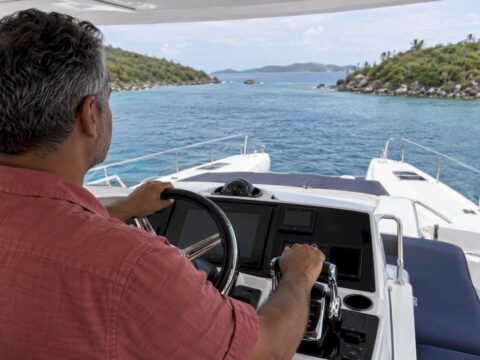
Where I think the SERP consensus undersells the picture is travel. Most comparisons mention portability as one bullet among six. For anyone who flies to their paddling destination, boats out to an anchorage, or lives without a garage, portability isn’t one factor among equals. It’s the gatekeeper factor that decides whether the board gets used at all. That’s exactly why inflatable boards have become close to standard equipment aboard chartered catamarans and power yachts in the BVI and Caribbean: deck space is finite, guests want to paddle spontaneously between anchorages, and a board that deflates into a duffel simply fits the way people actually vacation.
If you’re weighing this purchase, start with your actual pattern of use, not the spec sheet.
Ready to put a paddleboard behind you on genuinely calm water instead of a driveway test paddle? Virgin Charter Yachts helps suggest the best companies to rent inflatable SUPs and other water toys from when you are planning bareboat catamaran charter in the British Virgin Islands and Caribbean, so you can paddle a quiet anchorage at sunrise without ever loading a roof rack. The family-run team, based in Tortola for three decades, can walk you through which itineraries offer the calmest paddling water for beginners and families. Check current fleet availability and book your dates directly through the Virgin Charter Yachts homepage.
Sources
- Inflatable vs Solid SUP: Pros and Cons | PaddleGeek
- Inflatable vs Hard Paddle Board 2026: How to Pick – NIXY Sports
- How to choose a stand-up paddleboard | REI
- Types of paddleboards | Paddling Magazine
Did You Know?
The BVI are only accessible by boat. Check out our charter yachts that can get you there. View Our Fleet