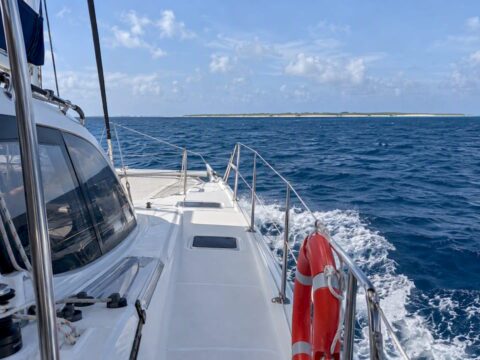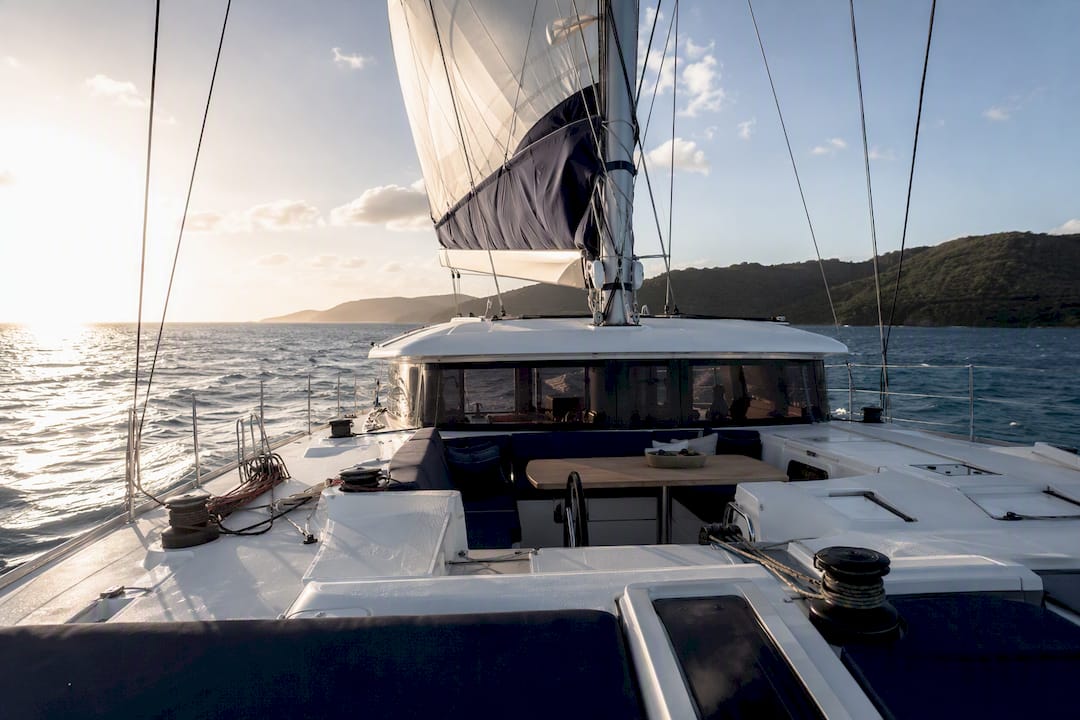

The strongest 7-day BVI itinerary is a flexible sailing loop from Tortola through Norman Island, The Indians, Cooper Island, Virgin Gorda’s Baths, Anegada, and Jost Van Dyke, then back to Tortola. A bareboat or crewed catamaran charter is the ideal format for this route. Travel between November and July, and buy trip insurance if you’re sailing anywhere near hurricane season.
- The best sailing window is from November to June, and trip insurance is highly recommended near hurricane season.
- Mooring fields at Norman Island, Jost Van Dyke, and Marina Cay charge fees, while Anegada requires careful reef navigation and local knowledge for anchoring.
- Arriving early at popular stops like The Baths and Norman Island enhances the experience by avoiding crowds and securing mooring or hiking time.
- Building flexibility into the schedule is crucial to accommodate wind shifts, crowding, and unpredictable mooring availability, especially during peak months.
- Booking with a local, experienced charter operator ensures support with route planning, provisioning, and weather considerations for a smoother trip.
Table of Contents
- Your Day-by-Day BVI Charter Itinerary for 7 Days
- How Do You Get to the BVI and Between the Islands?
- What Are the Sailing Logistics and Safety Basics?
- What Are the Best Things to Do at Each BVI Stop?
- Is There a Land-Based Alternative to a 7-Day Sailing Trip?
- Why Local Charter Expertise Changes How This Week Goes
- Why Flexibility Beats a Fixed Schedule
- Ready to Book Your BVI Charter?
- Where to Check Ferry Times and Official BVI Resources
- Sources
Your Day-by-Day BVI Charter Itinerary for 7 Days
A good captain will tell you the same thing twice before you even leave the dock: this plan is a starting point, not a contract. Winds shift, moorings fill up, and sometimes a beach bar is just too good to leave after one round. The route below follows the classic clockwise loop that most charter guides recommend for first-time visitors, and it works whether you’re driving the boat yourself or handing the wheel to a hired captain.
1. Day one: Tortola takeover and a short shakedown sail
Most charters start at a base near Road Town or West End on Tortola, where you’ll spend the morning on the boat briefing: safety gear, engine checks, water and holding tank levels, and a walkthrough of the dinghy. Boat handover typically finishes by early afternoon, which leaves just enough daylight for a short sail rather than a long one.
Point the bow toward Norman Island, about an hour and a half away depending on your marina. If the wind or your patience runs out early, plenty of charterers simply spend night one on a mooring near West End or in Road Town and start the real sailing on day two. Either way, don’t overplan this day. Everyone is still finding their sea legs.
2. Day two: Norman Island’s caves, then Cooper Island’s reef
Norman Island earns its reputation. The Bight is a wide, well-protected harbor with dozens of moorings, and it’s the jumping-off point for The Caves, a set of shallow grottoes on the island’s northwest tip where snorkelers drift in over sergeant majors and the occasional nurse shark. Go early, before the day-charter crowds from Tortola arrive around 11 a.m.
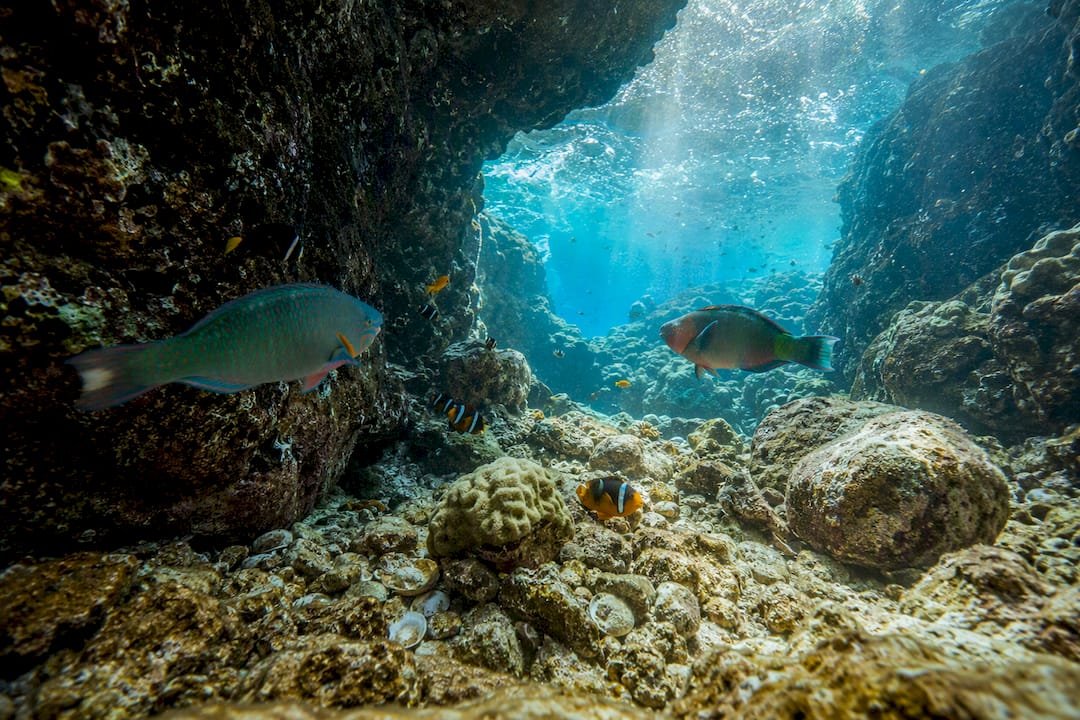
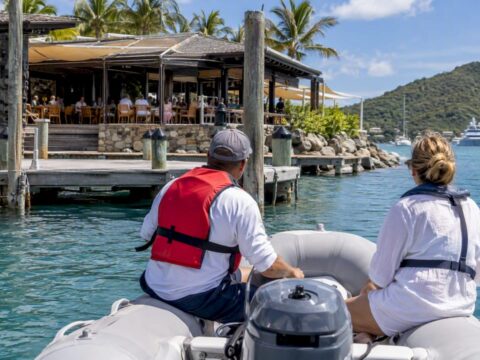
Afterward, the floating bar known locally as the Willy T sits anchored in The Bight and draws a rowdy midday crowd for a reason: cheap rum drinks and a rope swing off the top deck. If you’d rather skip the noise, sail on to Cooper Island in the early afternoon. The mooring field off Manchioneel Bay is smaller and calmer, and the snorkeling along the rocky point rivals Norman Island without the boat traffic. Cooper Island Beach Club also runs one of the better casual restaurants in the territory, with a rum bar that stocks well over 100 selections.
3. Day three: The long reach to Virgin Gorda and The Baths
This is typically the longest sail of the week, roughly three to four hours from Cooper Island to Virgin Gorda depending on wind angle, so an early start pays off. The Baths is the single most photographed stop in the BVI: a boulder field the size of small houses, with narrow passages leading down to Devil’s Bay on the far side.
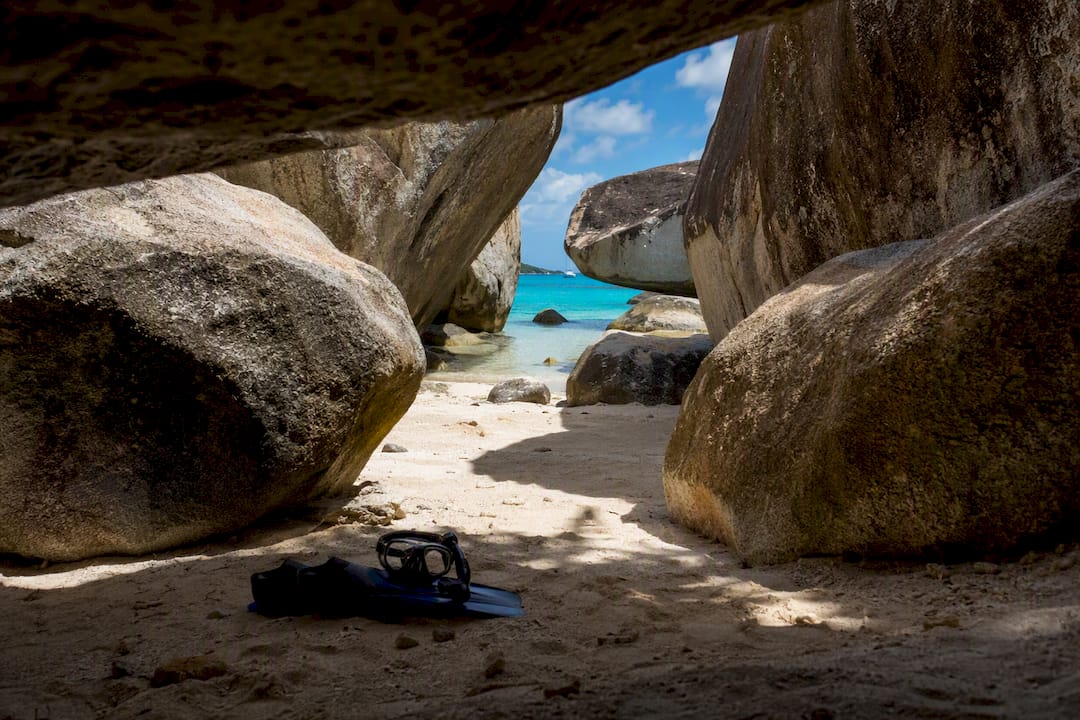
Mooring balls at The Baths fill fast, especially before mid-morning, so arriving before 10 a.m. or after 3 p.m. makes a real difference in how crowded the rocks feel. Budget close to two hours to properly explore the scramble and swim through to the beach. Spend the night on a mooring near Spanish Town or the Bitter End area, where you’ll find restaurants ashore if nobody feels like cooking on the boat.
4. Day four: Crossing to Anegada
Anegada is the outlier of the group: a flat coral atoll instead of a volcanic peak, sitting roughly 15 to 20 nautical miles north of Virgin Gorda across open water. This crossing takes three to four hours and gets more exposed to swell than anywhere else on the route, so check the forecast the night before and leave early, ideally by 8 or 9 a.m.
Anchoring off Anegada is different from the mooring fields you’ve gotten used to. The approach into Setting Point requires careful reef navigation, and most charter companies mark specific waypoints or require radio contact with a local mooring service before you come in. This is a day where a crewed charter’s local knowledge earns its keep, and even confident bareboat sailors should follow the marked channel closely rather than cutting corners.
5. Day five: Flats, lobster, and the sail back south
Anegada’s draw is its emptiness. The island has more wild flamingos than full-time restaurants, and the beaches on the north side stretch for miles without another footprint in sight. Rent a scooter or golf cart if your group wants to see the lighthouse or explore beyond walking distance from the anchorage.
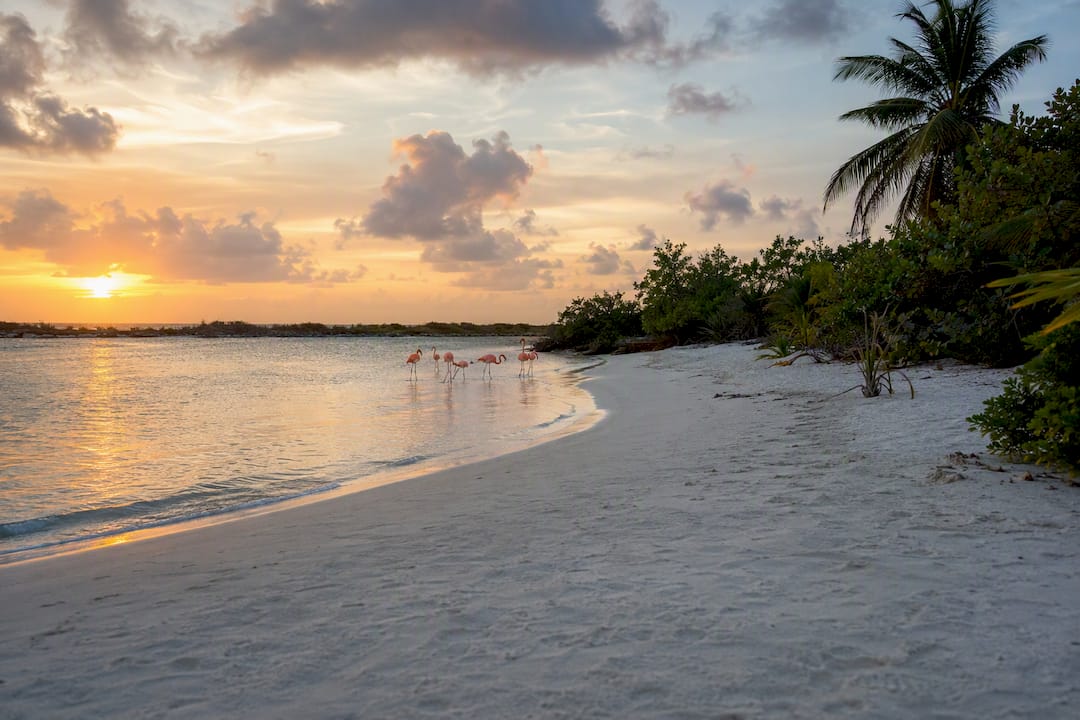
Lobster is the reason most people build in a full day here. Several beachfront spots grill the catch right on the sand, and reservations matter during peak season since the supply is genuinely limited. Plan to depart by early afternoon for the sail back toward Marina Cay or Trellis Bay, both easy overnight stops that put you within striking distance of Jost Van Dyke the next morning.
6. Day six: White Bay and Great Harbor on Jost Van Dyke
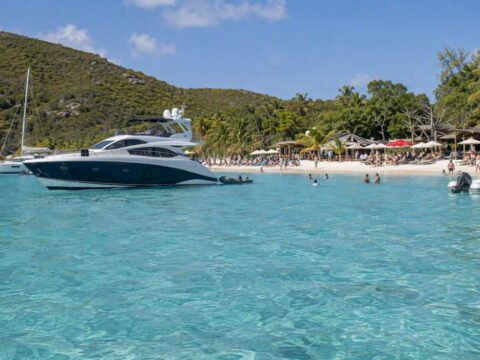
Jost Van Dyke is smaller than Tortola but louder, in the best way. White Bay is the postcard beach: powder sand, turquoise shallows, and a string of beach bars including the Soggy Dollar, credited with inventing the Painkiller cocktail. Mornings here are calm; by early afternoon, day-trip boats from Tortola and the USVI start arriving in numbers.
Great Harbor, a short sail or dinghy ride away, is home to Foxy’s, the island’s most famous bar and a required stop for anyone who wants the full BVI experience. If your crew is up for a short hike, the Bubbly Pool on the island’s north side fills with churning surf at high tide through a natural rock channel, and it’s usually far less crowded than White Bay.
7. Day seven: The homeward stretch
Your last full day is about logistics as much as scenery. Most charter takeovers require the boat back by early afternoon, so plan a short final sail, maybe an hour or two, to a spot like Sopers Hole on Tortola’s west end or back to Marina Cay if that fits your base location better.
Sopers Hole is a good closer: a protected harbor lined with pastel-colored shops and a couple of solid lunch spots, close enough to most charter bases that you’re not rushing the final approach. Build a weather buffer into this day if you can. A squall or contrary wind on day six shouldn’t wreck your flight home, and experienced charter operators consistently point out that the best itineraries flex around weather and mooring availability rather than sticking to a rigid script.
How Do You Get to the BVI and Between the Islands?
There’s no single “right” way in, and which route makes sense depends on your flights, your budget, and how much patience you have for connections.
- Fly direct to Beef Island (Tortola). A handful of regional carriers run direct or short-connection service into Terrance B. Lettsome International Airport, which is by far the simplest option when the schedule lines up with your charter start date.
- Fly into St. Thomas (STT) and ferry over. This is the more common route for travelers connecting through larger US hub airports, since St. Thomas has far more flight options than Tortola.
- Check ferry operators directly for current schedules. Smith’s Ferry and Native Son Ferry both run the St. Thomas to Tortola crossing, and schedules shift seasonally, so book close to your actual travel dates rather than months in advance.
- Confirm customs and immigration timing. Crossing from the USVI into the BVI means clearing BVI customs on arrival, and lines can run long during peak season mornings, so build at least an hour of slack before your charter takeover appointment.
- Time your ferry to your yacht takeover, not the other way around. Most charter bases schedule boat handovers for early to midafternoon, which gives a morning ferry from St. Thomas plenty of buffer even with a customs delay.
BVI Tourism’s official ferry schedule page is the most reliable place to check current timetables and operator contact information, since routes and frequencies do shift between seasons. If you’re arriving from a US departure city, it’s worth calling your charter base directly to ask which airport-to-marina combination their other guests use most successfully. They deal with this logistics puzzle every week and usually have a preferred routing they’ll recommend without being asked.
What Are the Sailing Logistics and Safety Basics?
Distances in the BVI are short by open-ocean standards, but wind, current, and reef navigation still demand real planning. Most legs on this itinerary run two to four hours, with the Virgin Gorda to Anegada crossing being the longest and most exposed. Building in a planning margin of an extra hour per leg, especially on windy days, keeps the schedule from feeling like a race.
Mooring fields versus open anchorages
- Norman Island’s The Bight and Great Harbor on Jost Van Dyke are mooring-heavy: expect to pick up a ball rather than drop anchor, often for a nightly fee collected by a boat that circulates through the harbor.
- Cooper Island and Marina Cay also run structured mooring fields with similar fee collection.
- Anegada is the exception. The flats around Setting Point require careful anchoring or a marked mooring approach, and local knowledge matters more here than anywhere else on the route.
Provisioning before you leave the dock
Most charter bases offer provisioning packages you can order in advance, which saves a chaotic first-morning grocery run. Stock enough drinking water for the length of your trip, keep a spare fuel reserve beyond what the boat’s gauge suggests you need, and pack a basic first-aid kit even if the boat comes with one. Snorkel gear is usually included with a charter, but if you want extras like paddleboards or better-fitting masks, providers such as Aquatic Rentals VI rent water-sport equipment, and it’s worth confirming availability before you reach smaller islands like Anegada where options thin out fast.
Pro Tip: Freeze a few gallon jugs of water before you leave the dock. They double as ice packs for your cooler on day one and slowly melt into extra drinking water by day three, when the boat’s fridge space is at its tightest.
Insurance and hurricane-season timing
The safest sailing window runs November through June, with April frequently cited as the sweet spot for warm days, thinner crowds, and reliable night breezes. Hurricane season runs June through November, and trip insurance isn’t optional if you’re booking anywhere near that window. Peak months (December through March) also book charter fleets six months or more ahead, so reserve early if your travel dates are fixed.
What Are the Best Things to Do at Each BVI Stop?
Every island on this route earns its spot on the itinerary for a different reason, and knowing what each one is actually good for helps you decide where to linger and where to keep moving.
- The Baths (Virgin Gorda): Arrive before 10 a.m. or after 3 p.m. to dodge the day-tripper crowds; budget close to two hours for the boulder scramble through to Devil’s Bay.
- Norman Island: The Caves reward an early snorkel session, while the Willy T floating bar in The Bight is the spot for a loud, social afternoon.
- The Indians and Cooper Island: The rocky pinnacles at The Indians offer some of the clearest water on the route; go easy on the coral, since these reefs see heavy boat traffic and conservation matters here more than most spots.
- Anegada: The crossing demands a calm-weather window, but the payoff is flats-side lobster dinners and beaches that feel genuinely undiscovered.
- Jost Van Dyke: Hit White Bay in the morning before the day-boats arrive, save Foxy’s in Great Harbor for a lively evening, and time the Bubbly Pool visit for high tide.
Most of these stops reward an early arrival and an early departure. The charter boats that leave Tortola on day-trip schedules tend to hit Norman Island and The Baths between 11 a.m. and 2 p.m., so building your own schedule around those windows, rather than into them, makes a noticeable difference in how the whole week feels.
Is There a Land-Based Alternative to a 7-Day Sailing Trip?
Not every traveler wants to handle lines and anchors for a week, and a shore-based version of this trip works well if hotels and day trips fit your style better than a boat. A common pattern splits the week roughly in half: three or four nights on Tortola, then the remainder on Jost Van Dyke, with ferry day trips filling in the islands you’d otherwise reach by sail.
- Base in Tortola first. Stay near Road Town or West End, and use day two or three for a ferry trip out to Virgin Gorda to see The Baths without needing a boat of your own.
- Add a day trip to Anegada. Seasonal ferry service connects Tortola to Anegada, though schedules are thinner than the Virgin Gorda run, so confirm dates well ahead.
- Move to Jost Van Dyke for the back half of the week. Short ferries run regularly from West End, and staying overnight means you get White Bay in the quiet morning hours before the day-boat crowds show up.
- Book shore accommodations before you lock in ferry times. Villas and small guesthouses on Jost Van Dyke fill up fast in peak season, and matching your ferry schedule to check-in times avoids an awkward wait with luggage on the dock.
This version trades some of the spontaneity of sailing for a simpler logistics chain, and it sidesteps the repeated USVI customs crossings that can complicate a fully sail-based plan.
Why Local Charter Expertise Changes How This Week Goes
Virgin Charter Yachts has operated out of Tortola for three decades, which means the itinerary above isn’t theoretical. It’s the route their own captains and charter guests have refined season after season, adjusted for the mooring fields that fill early and the crossings that need a calm-weather window.
The fleet leans on modern power catamarans from Fountaine Pajot, Leopard, Aquila, Aventura, Lagoon, Horizon, and Two Oceans, giving charterers a choice between bareboat independence and a fully crewed trip where someone else handles the Anegada approach and the provisioning list. That range matters more than it sounds: a first-time BVI sailor and a returning veteran need very different levels of support to have the same good week.
The itineraries that work best aren’t the ones planned to the hour. They’re the ones with enough slack built in that a great snorkel spot or a slow morning at White Bay doesn’t wreck the rest of the week.
Because the operation is family-run rather than franchised, planning support tends to go further than a standard checklist. That includes help building a custom day-by-day route around specific priorities, provisioning coordination before the boat is even loaded, and a straight answer about which islands are worth the crossing in a given week’s weather.
Why Flexibility Beats a Fixed Schedule
Every version of this itinerary I’ve laid out works better as a rough shape than a locked schedule. Wind doesn’t care about your printed plan, and neither does the mooring field at The Baths when three other boats got there first. Build slack into each day rather than treating the week as seven back-to-back appointments.
If you’re booking during December through March, reserve your charter well ahead. Those months fill fast. April is worth serious consideration if you want the same weather with fewer boats crowding your favorite anchorage.
None of this replaces an actual conversation with someone who sails these waters regularly. A local charter specialist will tell you in thirty seconds whether your dream week is realistic for the season you picked, and that’s worth more than any itinerary template, including this one.
— alexia
Ready to Book Your BVI Charter?
Virgin Charter Yachts turns this exact 7-day route into a bookable trip, not just a plan on paper. Choose bareboat if you want full control of the boat and schedule, or go crewed and let a local captain handle the Anegada crossing, the mooring logistics, and the provisioning list while you focus on the beach bars.

A typical quote covers the yacht, standard safety and snorkel gear, and a route consultation based on your group size and travel dates. Provisioning and a private chef can be added depending on the charter you choose. Peak season slots (December through March) book out months ahead, so if your travel dates are fixed, reach out early rather than waiting until a few weeks out. Head to Virgin Charter Yachts to check fleet availability for your dates and request a detailed quote built around the islands you actually want to see.
Where to Check Ferry Times and Official BVI Resources
Before you lock in flight dates, confirm current ferry schedules directly with the operators, since frequency shifts by season. BVI Tourism’s ferry schedule page lists official routes and operator contacts, while Smith’s Ferry and Native Son Ferry both run the St. Thomas to Tortola crossing most travelers rely on.
For marina and berthing context beyond the BVI itself, Mazza Marine’s guide to Biscayne Bay marinas is a useful reference for boaters comparing facilities across the wider Caribbean and southern Florida region. And before you travel anywhere near hurricane season, confirm your trip insurance policy covers weather-related cancellations specific to Caribbean sailing charters.
Sources
- Ultimate 7 Day BVI Sailing Itinerary: Best Stops & Map - Waves & Wander
- Caribbean yacht charter itineraries: flexibility as luxury - Fraser
- Bvitourism
Did You Know?
The BVI are only accessible by boat. Check out our charter yachts that can get you there. View Our Fleet